
A320 Family: The Start, What's Next?
.jpg)
The Airbus A320 is the bestselling airliner family in world aviation history, surpassing the Boeing 737. In late 2019 it became the most ordered commercial airliner, and in late 2025 it officially surpassed total production milestones as Airbus continues ramping toward 75 jets per month.
- Digital Fly-By-Wire Pioneer: First airliner with digital side-stick controls and flight envelope protection in 1988.
- A321neo Dominance: The stretched A321neo, LR, and XLR now capture over 60% of all A320neo family order backlogs.
- Production Ramp: Airbus targeting an unprecedented output rate of 75 aircraft per month across worldwide FAL sites.
How It Started
The A320 family began with the launch of the baseline A320-100 in 1984. Just three years later in 1987, the prototype performed its maiden flight before entering commercial revenue service in 1988 with launch customer Air France. It made history as the very first commercial airliner to feature a fully digital fly-by-wire flight control system with side-stick controllers.
Variants & Evolution
The family began with the initial A320-100, which established the baseline airframe. Airbus soon upgraded it to the definitive A320-200 by adding a center fuel tank and wingtip fences (later upgraded to blended sharklets).
Airbus then resized the fuselage to create a comprehensive single-aisle lineup:
- A318: The smallest "Baby Bus" with only 80 units delivered, designed for niche steep-approach airports like London City.
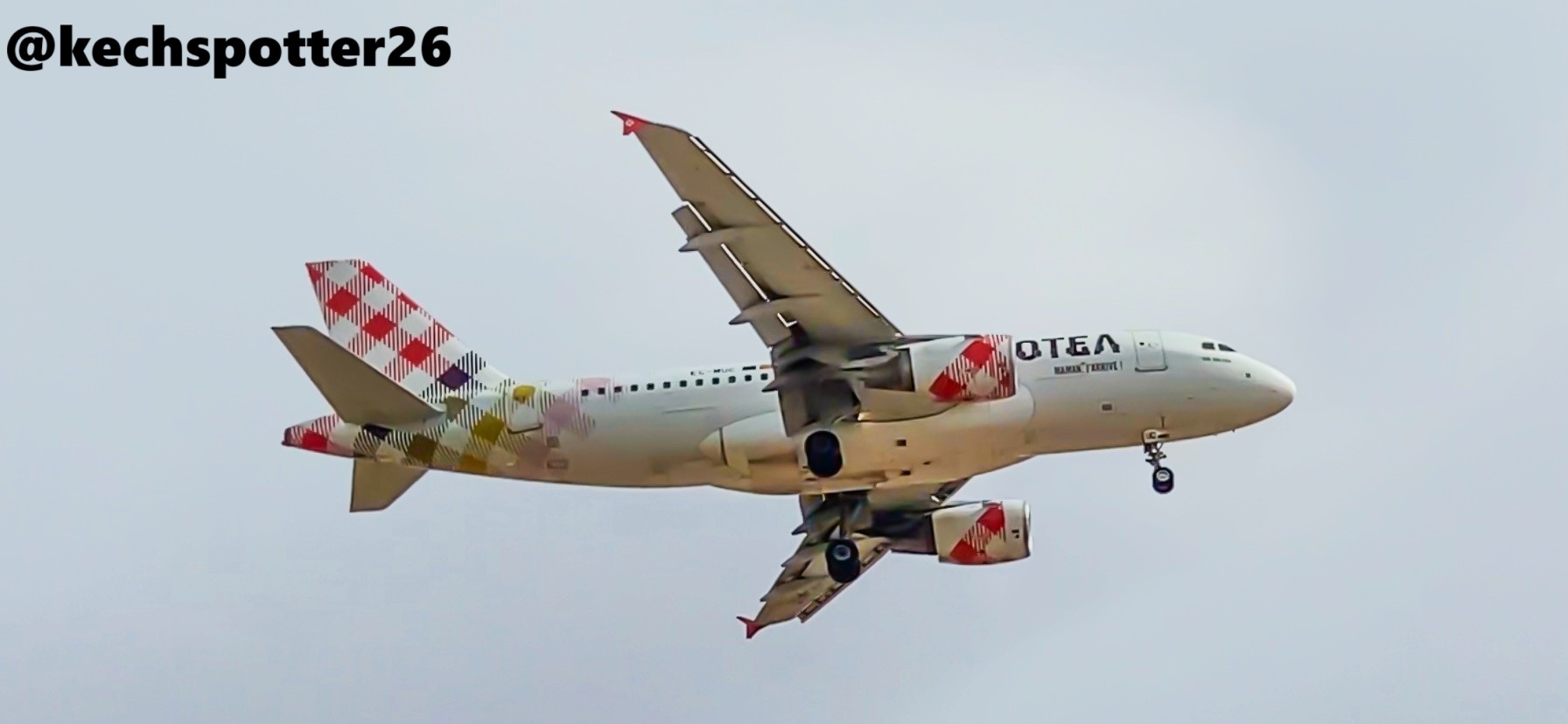
- A319: The popular shortened variant tailored for thin routes, hot-and-high airfields, and transcontinental missions while retaining identical type ratings.
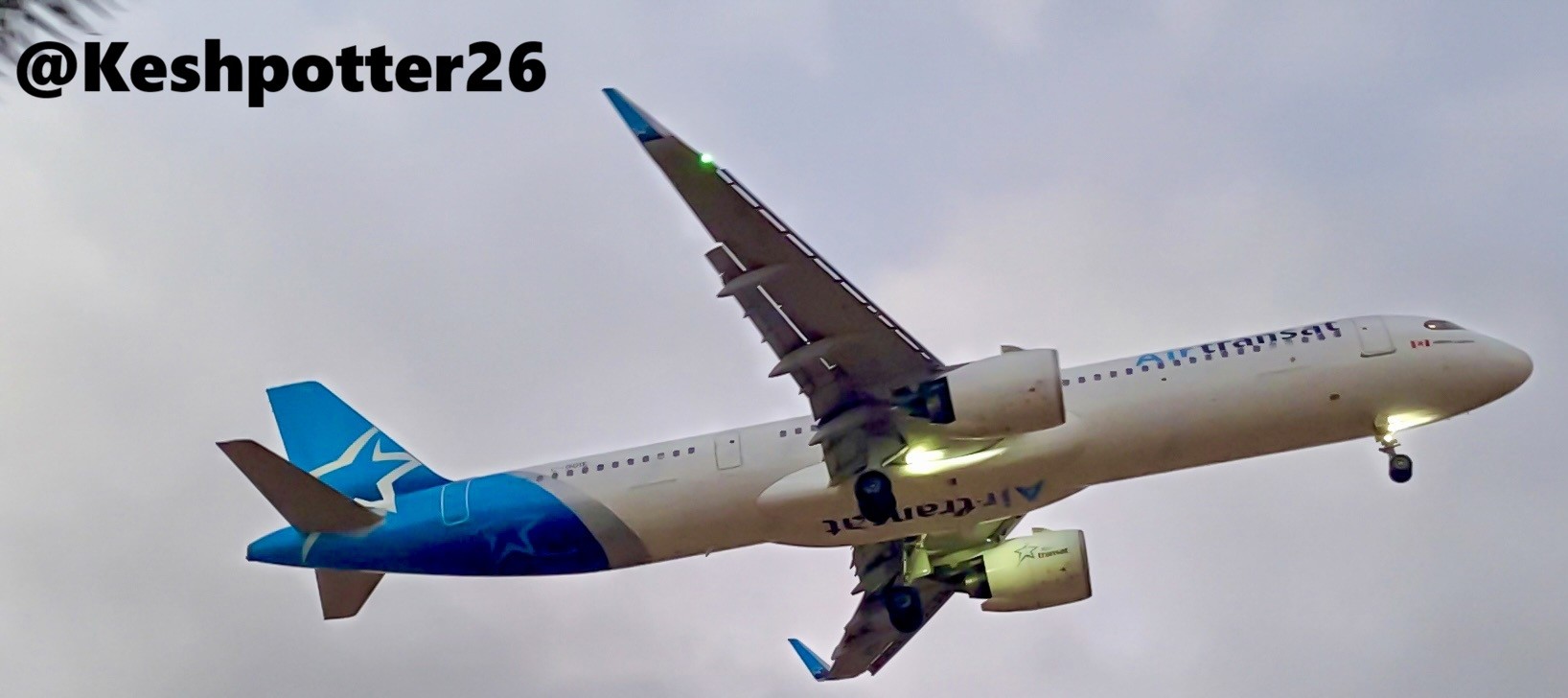
- A321: The stretched workhorse carrying up to 244 passengers, which has evolved into the market-dominating A321neo, A321LR, and ultra-long-range A321XLR capable of transatlantic routes in low-demand seasons.
What's Next?
While Airbus has not announced a clean-sheet narrowbody replacement, the manufacturer has confirmed massive capital investment into ramping A320neo family production to 75 aircraft per month. Meanwhile, speculation continues around a potential stretched A220-500, which could serve the lower end of the market after the cancellation of the A319neo.