
Boeing 737: 50+ Years and Still Going
From its first flight in April 1967 to the latest MAX variants flying today, the Boeing 737 is the most popular passenger jet in history. What started as a modest twinjet designed for short hops across regional airports transformed into a global workhorse that reshaped modern airline networks.
- Four Eras of Flying: Spans the Original 100 and 200, the Classic 300 to 500, the Next Generation series, and the modern MAX.
- The Ground Clearance Puzzle: Sitting low to the ground made passenger stairs easy in the 1960s, but mounting modern high bypass engines required clever engineering workarounds.
- Safety and Software Overhaul: The return to service after the MAX groundings mandated dual angle of attack sensor checks and extensive pilot simulator training.
Where It All Began
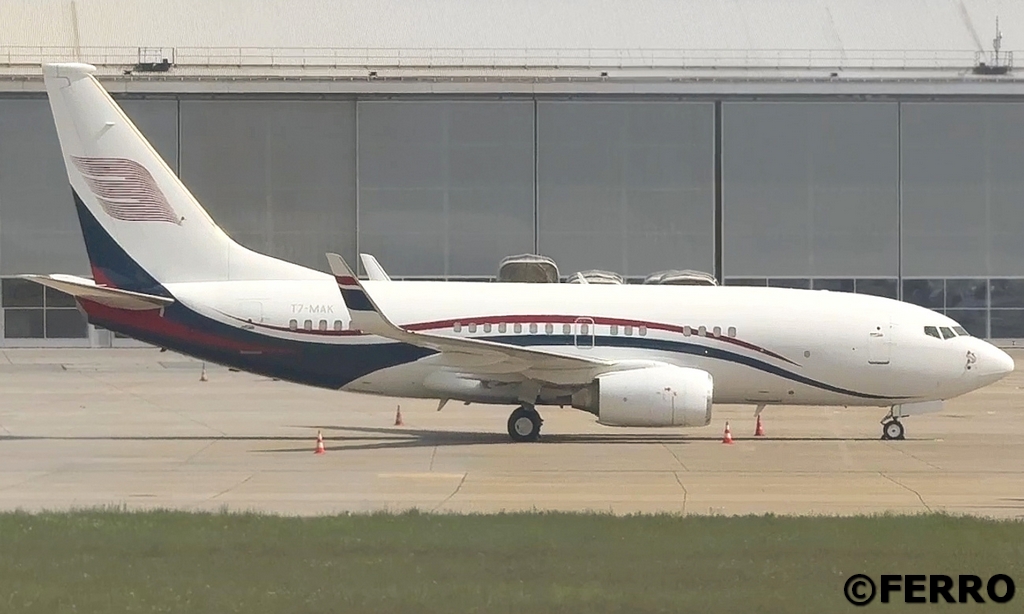
In the mid 1960s, Boeing needed a smaller sibling to join the four engine 707 and three engine 727. They wanted a plane that could operate out of small regional airstrips where airport stairs were not always available. That is why engineers designed the 737 low to the tarmac.
The early 737 100 and 200 used skinny Pratt and Whitney JT8D engines tucked tightly under the wings. Pilots nicknamed it the Baby Boeing, and airlines quickly realized the compact jet was remarkably reliable.
The Classics and Next Generation Revolution
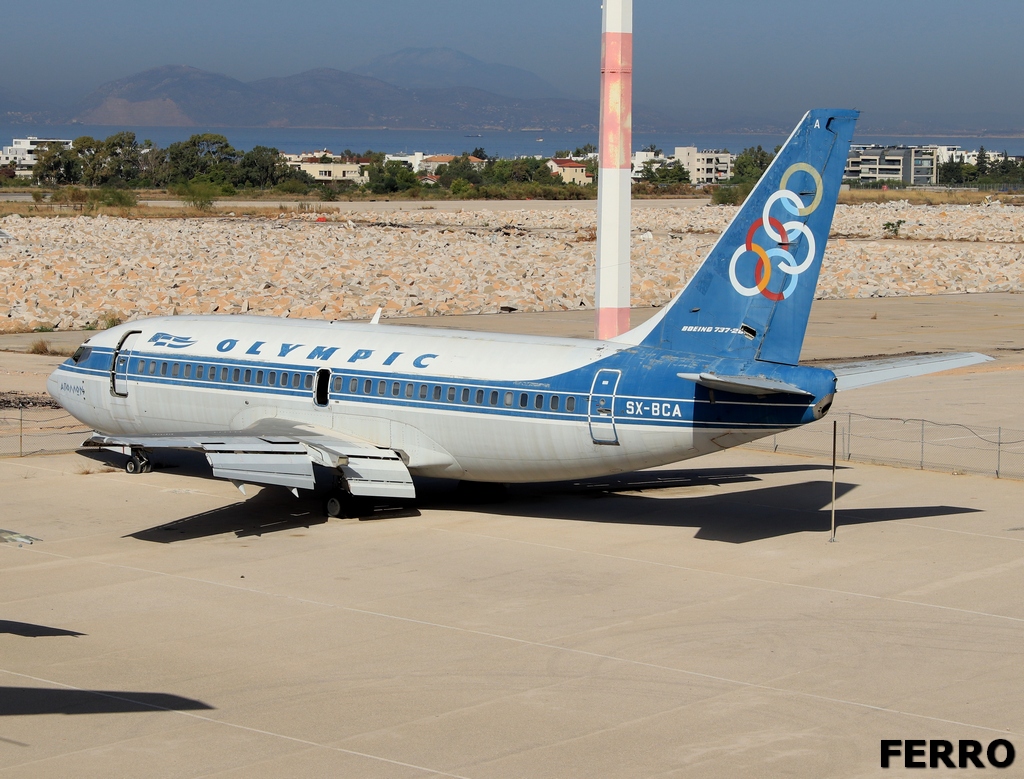
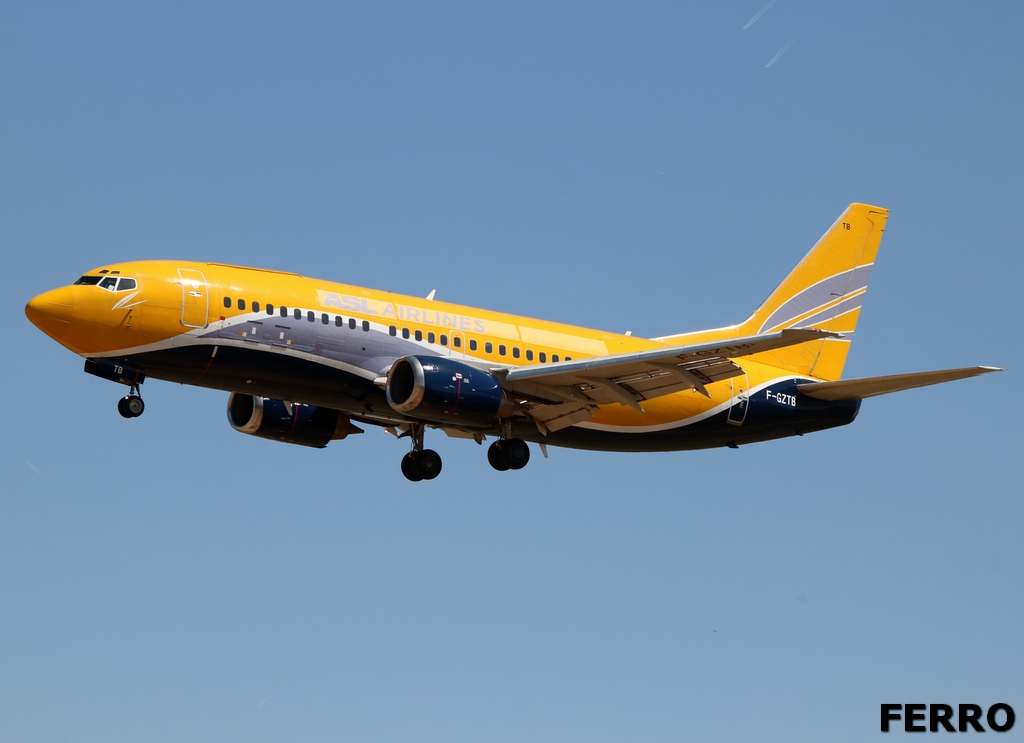
By the 1980s, jet fuel was getting expensive and passengers wanted quieter cabins. Boeing introduced the 737 Classic series with CFM56 turbofans. Because the new engines were much wider than the old JT8D tubes, engineers had to flatten the bottom of the engine cowlings, creating the famous hamster pouch shape to maintain ground clearance.
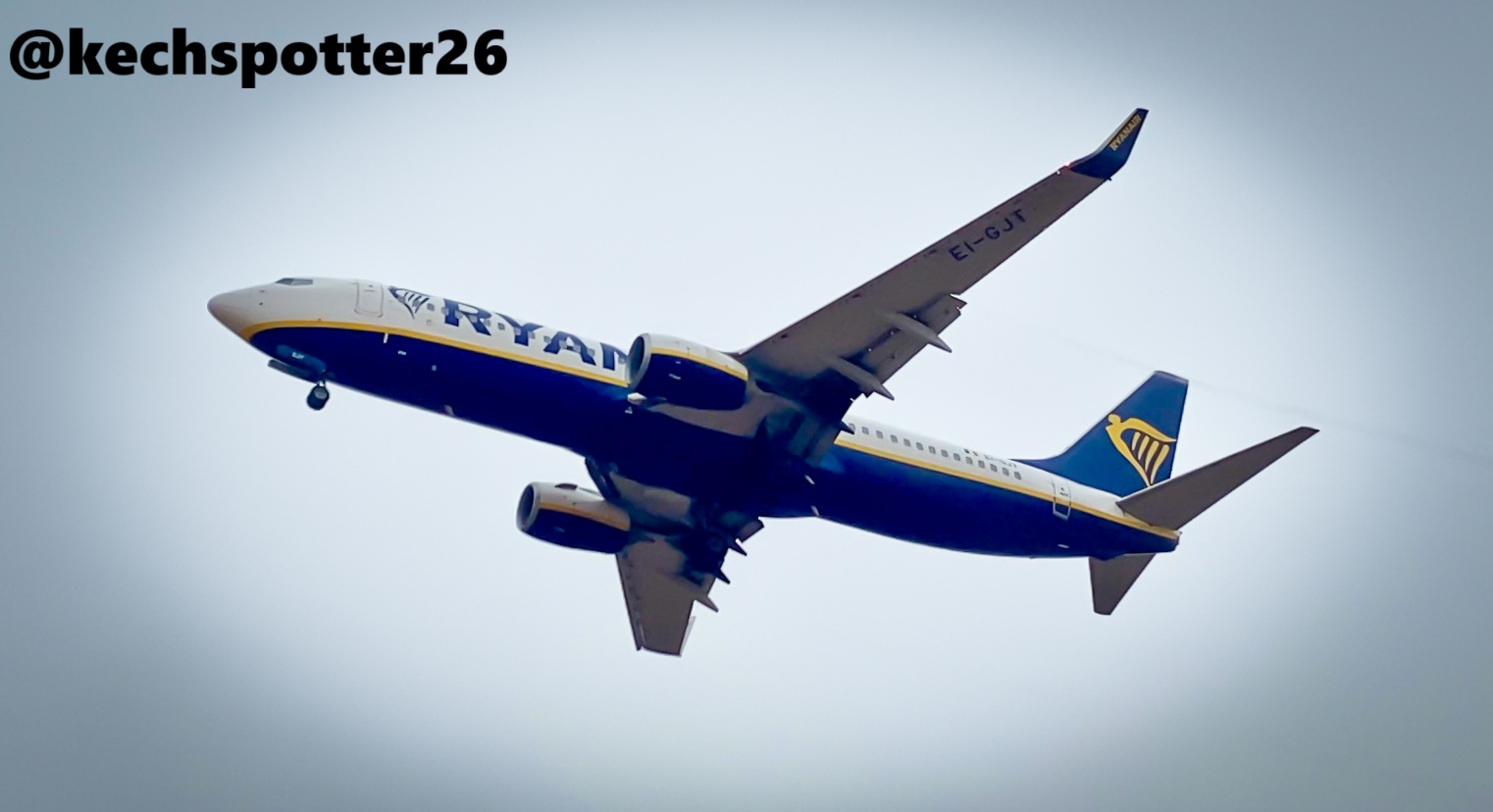
In the late 1990s, Boeing launched the Next Generation series. With a brand new wing, glass flight displays, and blended winglets, the 737 800 became the backbone of low cost and legacy airlines alike, from Southwest to Ryanair.
The MAX Era and System Redesign
When Airbus announced the fuel efficient A320neo, Boeing responded with the 737 MAX. Larger LEAP 1B engines offered massive fuel savings, but mounting them forward on the low wing altered aerodynamic handling at high angles of attack.
Boeing added the Maneuvering Characteristics Augmentation System, known as MCAS, to emulate older handling feel. Tragically, relying on a single sensor led to two fatal crashes and a worldwide fleet grounding.
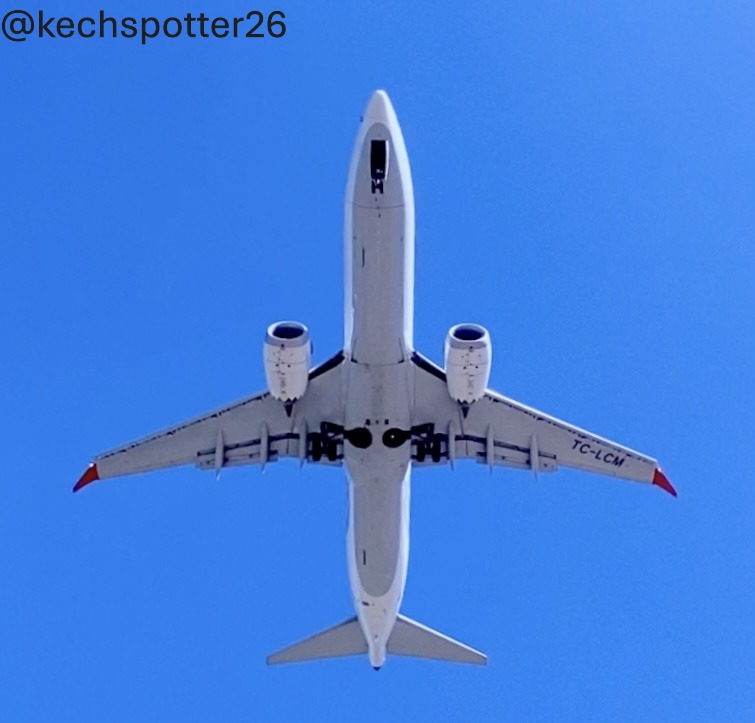
The Grounding and Return to Service
The subsequent investigation triggered the most rigorous recertification in aviation history. Regulators and Boeing overhauled the software and training protocols before allowing the plane to fly passengers again:
- Dual Sensor Checks: MCAS now compares data from both angle of attack sensors and will not engage if the sensors disagree.
- Single Activation Limit: The system engages only once per high pitch event and can always be overridden easily by the flight crew.
- Mandatory Simulator Training: Every pilot must complete comprehensive flight simulator training focusing on manual trim procedures.
Fifty Years of Flight
With more than eleven thousand airframes delivered and thousands more on the order books, the 737 is woven into the fabric of commercial aviation. The hard lessons learned throughout its five decade journey have fundamentally improved flight deck safety and regulatory oversight around the world.